Textile Waste Management
Textile Waste Management
Reduce Textile Waste, Recycle Old Clothes & Used Clothes – Sustainable Solutions for a Greener Future!
Reduce Textile Waste, Recycle Old Clothes & Used Clothes – Sustainable Solutions for a Greener Future!
“Every discarded fabric has the potential for a second life!”
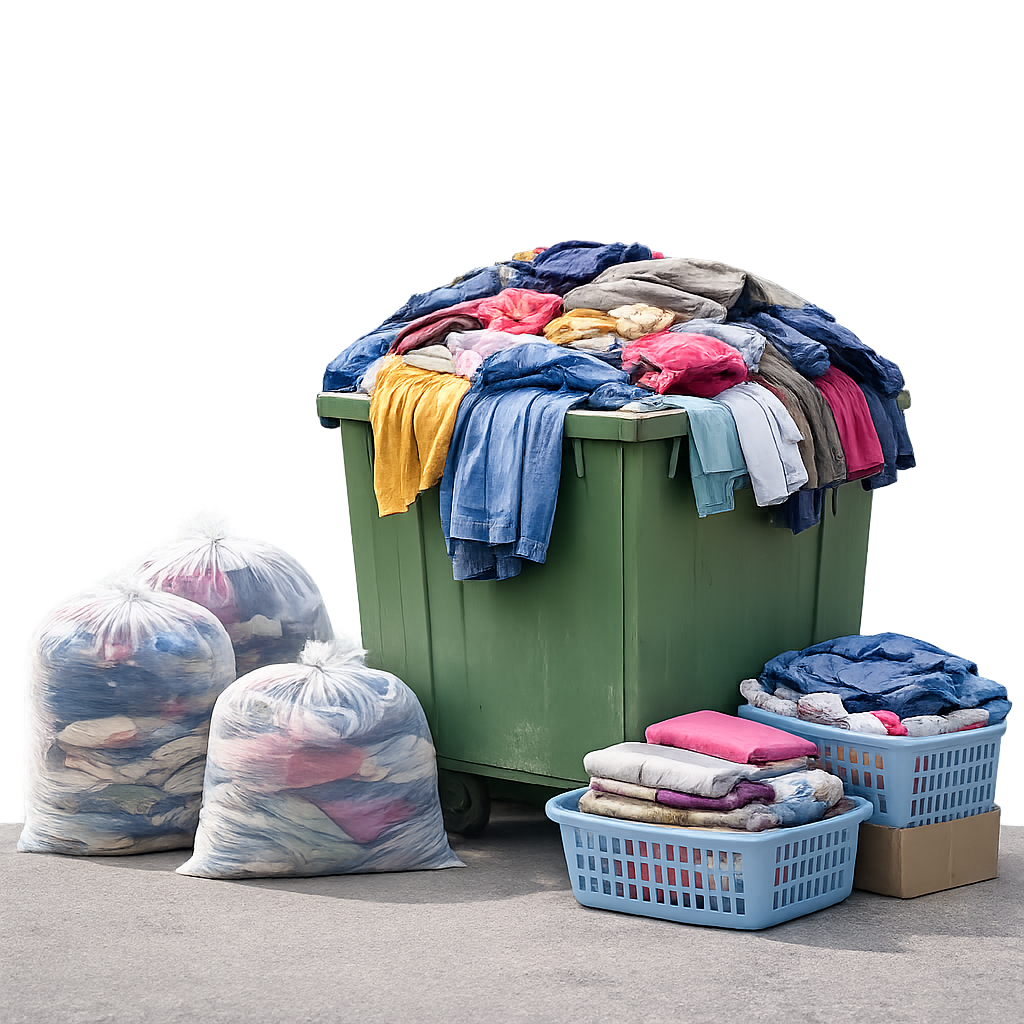
Textile waste, including old clothes, used clothes, industrial fabric scraps, and defective garments, is a growing environmental concern. Millions of tons of discarded clothing and fabrics end up in landfills each year, contributing to pollution, excessive water usage, and carbon emissions. Proper textile waste management ensures that old clothes and used textiles are recycled, repurposed, or upcycled, reducing environmental impact.
The Growing Problem of Textile Waste
With fast fashion and rising consumption, textile waste, old clothes, and used garments have become a major environmental concern. Large volumes of discarded clothing and fabric waste end up in landfills due to low reuse and recycling rates.
Rising Clothing Consumption
Fast fashion and frequent wardrobe changes have significantly increased textile waste generation from households and businesses.
Low Recycling & Reuse
Most discarded textiles are mixed with general waste, making recovery difficult and reducing opportunities for reuse or recycling.
Environmental Impact
Textile waste contributes to landfill overflow, releases harmful chemicals, and consumes large amounts of water and energy during production and disposal.
Why Responsible Textile Waste Disposal Matters?
Responsible textile waste disposal reduces landfill pollution, conserves resources, and supports a sustainable economy. Proper recycling, reuse, and upcycling help minimize environmental impact while promoting a circular approach to fashion and waste management.
Reduce Environmental Impact
Divert textiles from landfills to reduce methane emissions and prevent microplastic pollution in oceans and soil.
Conserve Natural Resources
Recycling textiles saves water, energy, and raw materials, reducing the need for virgin fiber production.
Support Circular Economy
Extend the life cycle of textiles through reuse, upcycling, and recycling, creating sustainable fashion practices.
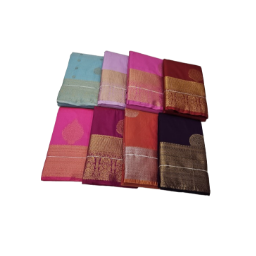
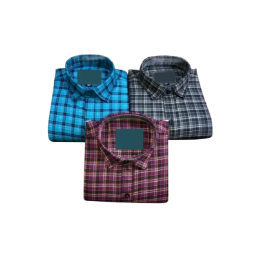
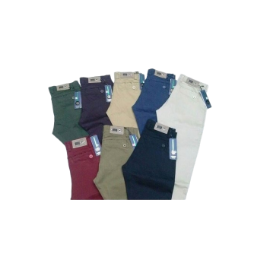
List of Products accepted in Textile Waste

Our Textile Waste Management Process
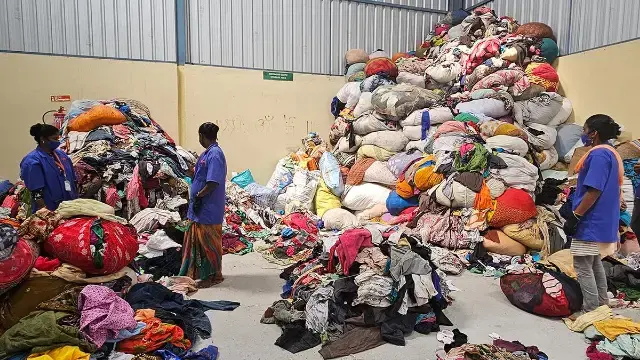
Collection and Sorting
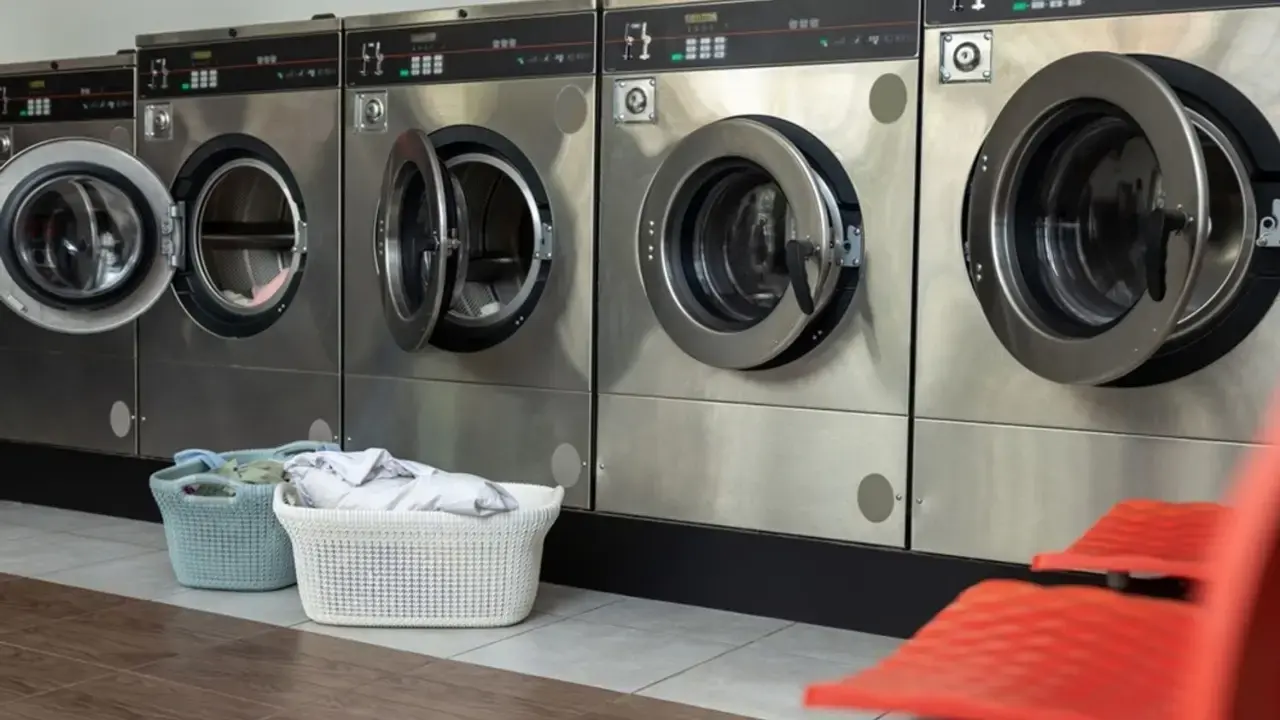
Cleaning and Sanitization
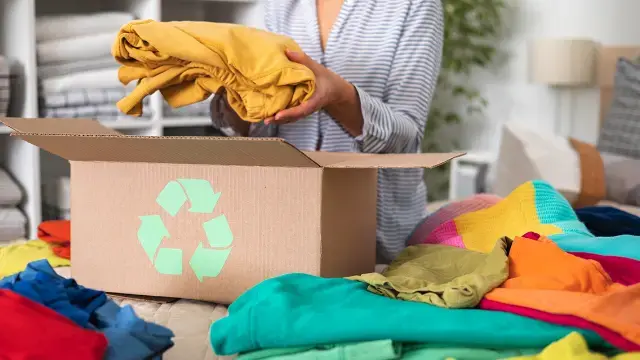
Reuse and Donation
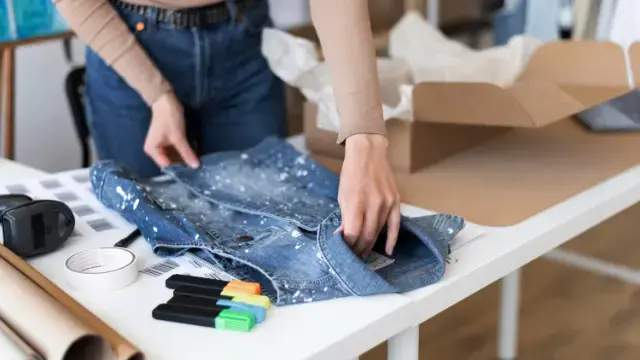
Recycling and Upcycling
Old Clothes & Used Clothes Collection Service
ServCare provides doorstep old clothes collection and used clothes recycling services for homes, societies, offices, and businesses. Instead of throwing away unwanted garments, you can responsibly dispose of used clothes through reuse, donation, recycling, and upcycling solutions that support sustainability and reduce landfill waste.
Our Presence
We are expanding our services and actively looking for partners for sustainable collaborations.

Pune